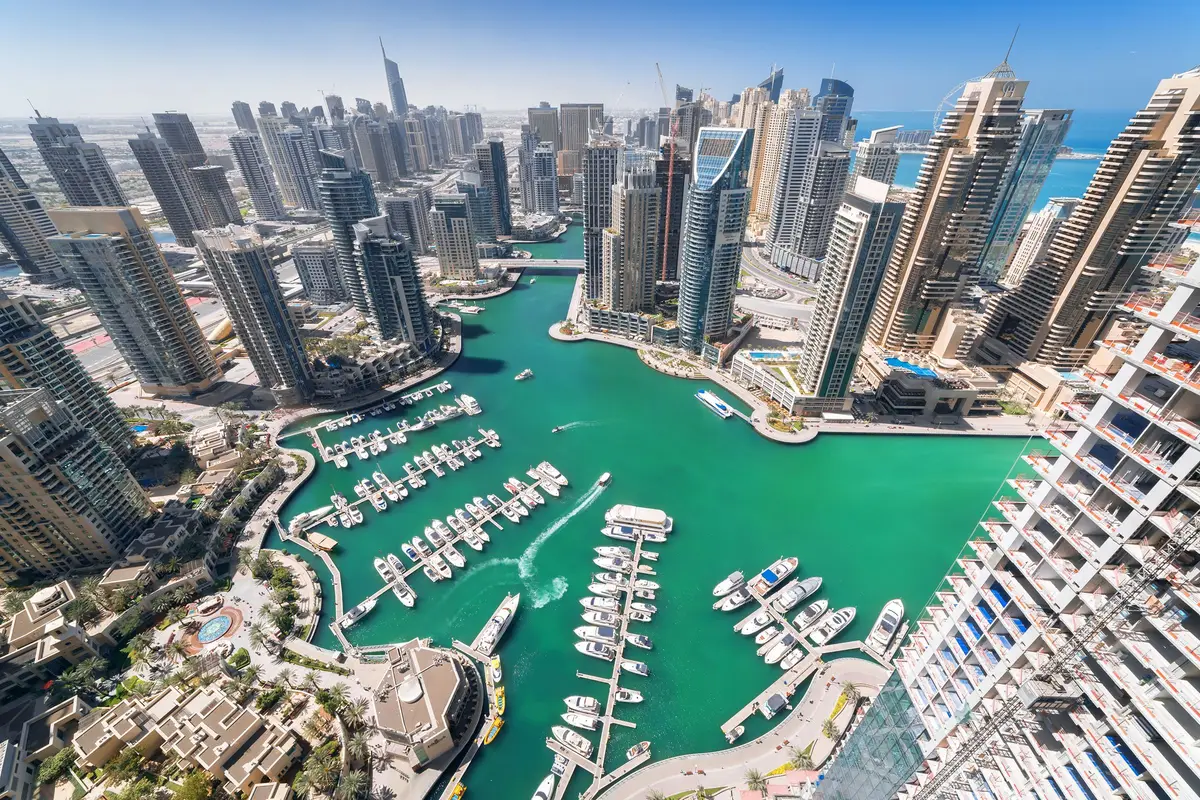
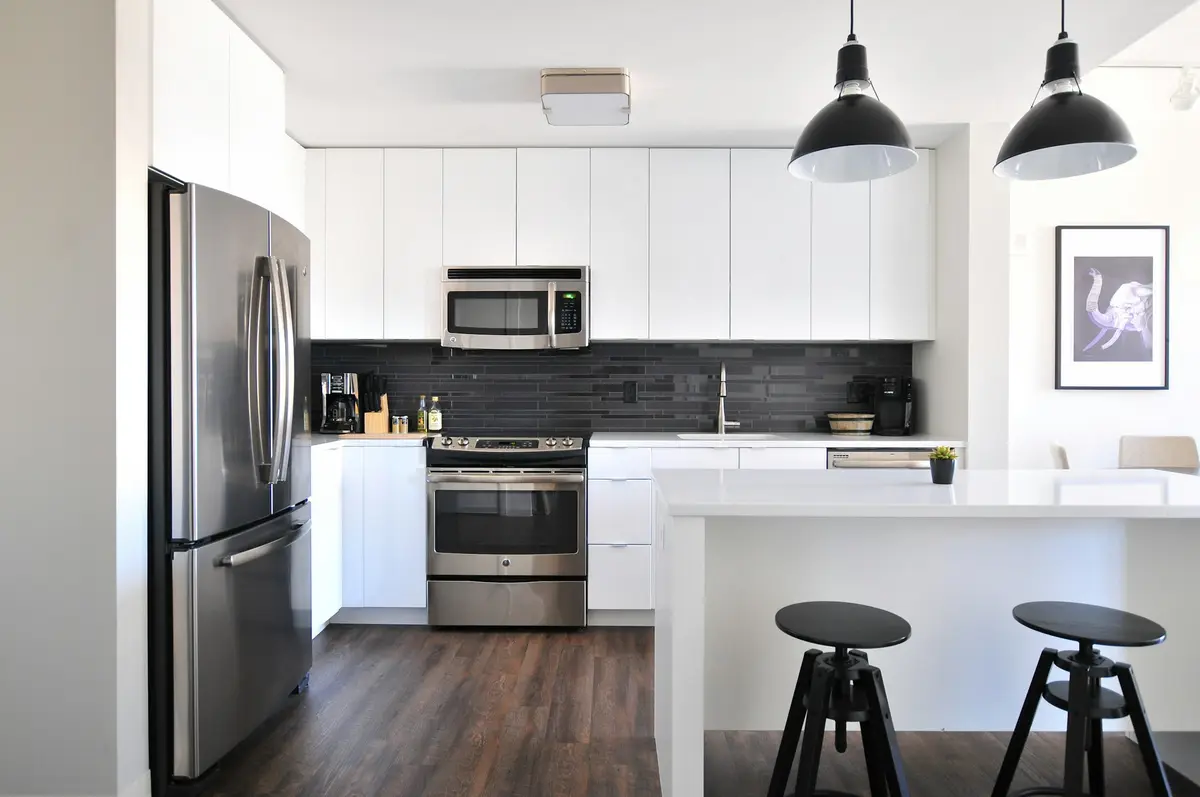
The short answer
- Off-plan property is a home bought from a developer before or during construction, paid in instalments under a payment plan rather than in one lump sum.
- Under Dubai Law No. 8 of 2007, buyer payments must go into a project escrow account held by an approved bank and released to the developer only as construction progresses.
- Your purchase is registered on Oqood, the Dubai Land Department's interim register; the 4% DLD fee is normally paid at that stage, not again at handover.
- Missing instalments is costly: under Law No. 19 of 2017 a developer may cancel and keep up to 25% or 40% of the unit's value, depending on construction progress.
- You can usually resell before handover, but most developers require 30–40% (sometimes 50%) of the price paid first, plus a developer NOC.
Off-plan property in Dubai is a home you buy directly from a developer before it is built, or while it is still under construction. You pay in stages under a payment plan, your money goes into a regulated escrow account, and your purchase is registered with the Dubai Land Department (DLD) on the Oqood interim register.
Off-plan has been the larger share of Dubai's residential sales for several years, and for overseas buyers it is often the most accessible way in: a smaller upfront payment, a brand-new unit, and a spread of instalments that can run past the handover date. It also carries risks that a ready home does not — construction delays, finishes that differ from the brochure, and the simple fact that you are paying for something you cannot yet walk into. This guide explains how it works, what the law does and does not protect, and how to buy and resell with your eyes open.
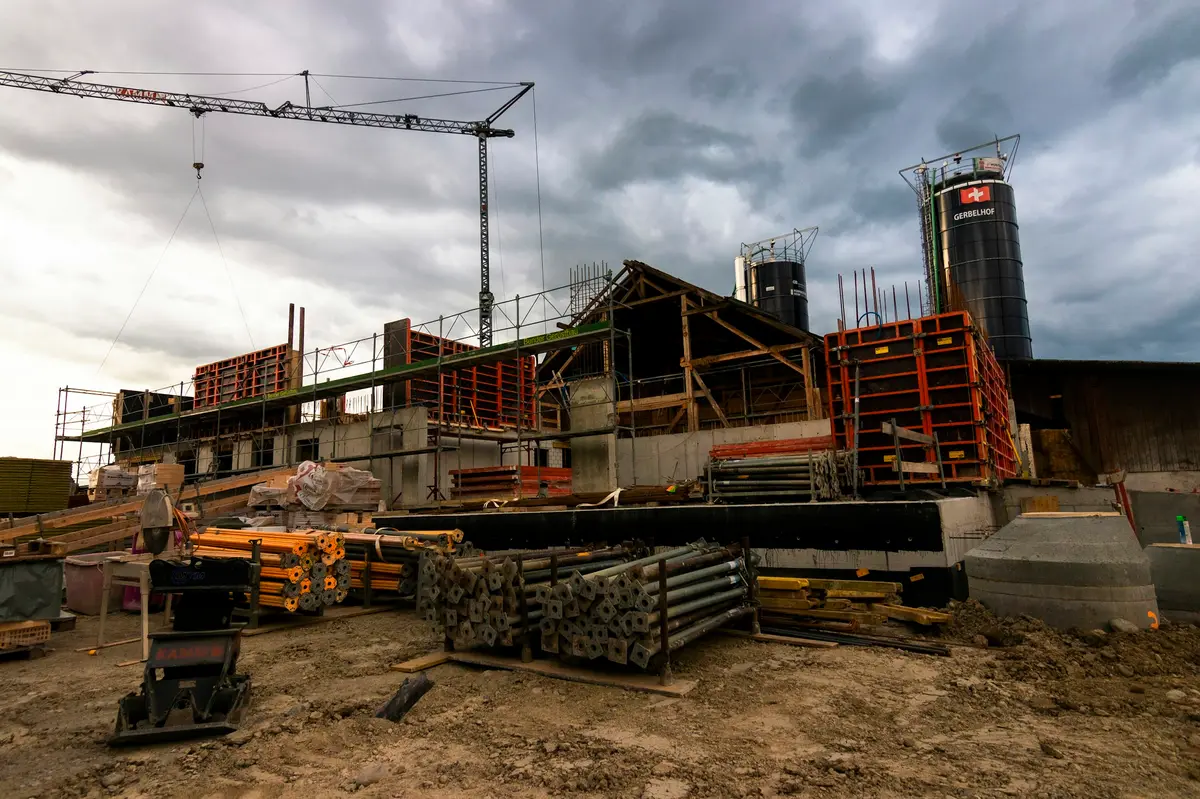
What does off-plan mean in Dubai?
Off-plan simply means buying “off the plans”: you commit to a specific unit — a studio, a townhouse, a villa plot with a home on it — based on floor plans, a sales and purchase agreement (SPA) and a promised completion date. The alternative is a ready or secondary property, which already exists and usually has a title deed. You can browse both on our off-plan and buy pages.
Three documents define an off-plan purchase in Dubai. The SPA sets out the price, the payment plan, the specification and the anticipated completion date. The Oqood certificate is the DLD's record that the unit is registered to you before it is built. The title deed replaces the Oqood once the building is completed and handed over. Until that point, the Oqood is your legal proof of ownership rights.
How are off-plan buyers protected by law?
Dubai built most of its off-plan rules after the 2008 downturn, when a number of projects stalled. The framework today rests on three pieces of legislation, all administered by the DLD and its regulatory arm, the Real Estate Regulatory Agency (RERA).
- Escrow accounts (Law No. 8 of 2007). A developer selling units off-plan must open an escrow account for each project with a bank approved by the DLD. Buyer payments go into that account, it is dedicated to building that project, and funds are released to the developer in stages linked to construction progress. The law also shields escrow funds from the developer's creditors.
- Interim registration (Law No. 13 of 2008). Off-plan sales must be recorded on the interim real estate register — the system known as Oqood. An unregistered sale gives you far weaker protection, so registration is not optional paperwork.
- Registered projects and developers. A developer must be registered with the DLD and the project approved before units can be marketed. You can check a developer, a project and its reported construction progress on the DLD's Dubai REST app or website.
What these laws do not do is guarantee a completion date, a resale price or a rental return. They protect where your money goes; they do not remove market risk.
How do Dubai off-plan payment plans work?
A payment plan splits the price into a booking deposit, instalments during construction and a final amount on or after handover. Plans are usually described by the split between money paid before handover and money paid on or after it. The table below shows how three common structures would look on an illustrative AED 1,500,000 apartment. Real schedules vary by developer and project, and the DLD fee is paid on top.
| Stage | 60/40 plan | 80/20 plan | Post-handover plan (e.g. 60/40 over 3 years) |
|---|---|---|---|
| Booking / down payment | 10% — AED 150,000 | 20% — AED 300,000 | 10% — AED 150,000 |
| During construction | 50% in instalments — AED 750,000 | 60% in instalments — AED 900,000 | 50% in instalments — AED 750,000 |
| On handover | 40% — AED 600,000 | 20% — AED 300,000 | None or a small amount |
| After handover | None | None | 40% spread over about 36 months — AED 600,000 |
| Mortgage possible at handover? | Yes, for the 40%, subject to approval | Yes, for the 20%, subject to approval | Usually not needed; the developer finances the balance |
What is a post-handover payment plan?
A post-handover payment plan lets you take the keys before the full price is paid, with the remaining balance paid to the developer in instalments — commonly over two to five years. In effect the developer is lending you the balance, usually without interest, which can let rent from the finished unit cover part of each instalment. The trade-off is that developers offering long post-handover plans often price the unit higher than a comparable project sold on a shorter plan, and you will generally not receive a title deed free of the developer's interest until the balance is cleared. Compare the total price, not just the monthly figure.
What is the process of buying off-plan property in Dubai?
The steps below reflect how most Dubai off-plan purchases run. You do not need to live in the UAE to buy; many overseas buyers complete the process remotely, with signatures handled electronically or through a power of attorney.
- Set a budget that includes every cost. Add the 4% DLD fee, registration charges, any agent fee and post-handover service charges to the price. Our guide to Dubai property buying costs walks through each line.
- Check the developer and the project. Confirm on the DLD's Dubai REST app or website that the developer is registered, the project is approved and an escrow account exists. Look at the developer's record on earlier handovers — our profiles of Emaar, DAMAC and Sobha are a starting point.
- Reserve the unit. You pay a booking amount and sign a reservation form. Make every payment to the project escrow account named in the paperwork, never to a personal account.
- Review and sign the SPA. Read the completion date, the grace period for delays, the specification schedule, the resale clause and the default clause. If English is not your first language, or the amount is large, pay a lawyer to review it.
- Register on Oqood. The developer registers the sale with the DLD and you pay the 4% DLD fee plus administrative charges. Keep the Oqood certificate — it is your proof of ownership until handover.
- Pay instalments and track progress. Pay against the schedule and keep receipts. Many buyers check the reported completion percentage on the Dubai REST app every few months.
- Inspect before handover. When the building completes, arrange a snagging inspection before you accept the keys. See our guide to property snagging.
- Pay the handover balance and receive the title deed. Pay the final amount (or arrange a mortgage for it), clear any handover fees, and the Oqood is converted into a title deed.
What does buying off-plan cost on top of the price?
The largest extra cost is the DLD transfer fee of 4% of the purchase price, which off-plan buyers normally pay when the sale is registered on Oqood. Because it is paid at that point, it is not charged a second time when the Oqood converts into a title deed at handover. Expect smaller administrative and registration charges on top. When you buy directly from a developer, the developer often pays the agent's commission, but confirm this in writing. After handover you pay annual service charges to maintain the building — see Dubai service charges explained.
Can you get a mortgage on off-plan property in Dubai?
Some UAE banks lend on off-plan units, but lending on property that is not yet built is more restricted than on ready homes, and loan-to-value limits are lower. In practice most off-plan buyers pay the construction instalments from their own funds and, if they need finance, take a mortgage for the handover payment once the property is complete. If you plan to do that, get a pre-approval early and model the repayments with our mortgage calculator. Our guide to a mortgage in Dubai for expats covers eligibility.
How do you sell off-plan property in Dubai before handover?
Selling before completion — sometimes called an assignment or “flipping” — is allowed, but the developer controls when. Most developers only issue a No Objection Certificate (NOC) for resale once the original buyer has paid a set share of the price, commonly 30–40%, and sometimes 50%. The threshold is in your SPA, so read it before you buy if an early exit is part of your plan.
- Check your SPA for the resale threshold, any lock-in period and the developer's transfer fee.
- Agree terms with the buyer and sign the standard RERA memorandum of understanding (known as Form F).
- Apply for the developer NOC. The developer confirms your account is up to date; NOC fees vary by developer.
- Transfer at a DLD trustee office. The Oqood is transferred to the buyer, who takes over the remaining payment plan. The DLD's 4% fee is charged again on the resale price — normally paid by the buyer, but it is negotiable.
Once you add the new buyer's DLD fee, agent commission and developer charges, the costs of an off-plan resale are significant, and they eat into any gain. Treat an early flip as a possibility, not a plan.
What are the main risks of buying off-plan?
- Delays. Completion dates slip. Read the SPA's grace period and what compensation, if any, applies after it.
- Specification drift. Finishes, layouts and views can differ from the brochure. The SPA's specification schedule is what counts, not the show apartment.
- Market timing. Prices can fall between booking and handover, and a large supply of similar units completing at once can hold back rents and resale values.
- Liquidity. Until you reach the resale threshold you may not be able to sell at all.
- Running costs. Service charges on new, amenity-heavy buildings can be higher than you expect.
Is off-plan the right choice for you?
Off-plan tends to suit buyers who have a long time horizon, can meet every instalment without relying on a resale, and value a new home over an immediate rental income. A ready property suits buyers who want to see exactly what they are getting, move in or rent it out straight away, or use a standard mortgage from day one. If you are weighing the two, start with our step-by-step guide on how to buy property in Dubai, then talk to us about specific projects.
Frequently asked questions
What is off-plan property in Dubai?
Off-plan property in Dubai is a unit bought directly from a developer before or during construction. You pay in instalments under a payment plan, your payments go into a project escrow account regulated by the Dubai Land Department, and your purchase is registered on the Oqood interim register until the building completes and a title deed is issued.
Is off-plan property in Dubai safe?
Dubai's off-plan rules give real protection: payments must go into a project escrow account under Law No. 8 of 2007, and sales must be registered on Oqood. They do not remove every risk. Projects can be delayed, specifications can change within the SPA's limits and prices can fall, so check the developer's record and read the SPA before paying.
What is a post-handover payment plan in Dubai?
A post-handover payment plan lets you receive the keys before paying the full price. The remaining balance, often 30–50%, is paid to the developer in instalments over roughly two to five years after completion, usually without interest. These plans ease cash flow but can come with a higher purchase price, so compare total cost with shorter plans.
What is Oqood in Dubai?
Oqood is the Dubai Land Department's interim real estate register for off-plan sales. When you buy off-plan, the developer registers your sale on Oqood and you receive a certificate that records your ownership rights before a title deed exists. The 4% DLD fee is normally paid at this stage, and the Oqood converts into a title deed at handover.
How much do I need to pay before I can sell an off-plan property in Dubai?
It depends on your developer and SPA. Most Dubai developers require the original buyer to have paid roughly 30–40% of the purchase price before they issue a resale NOC, and some require 50%. The new buyer then takes over the remaining payment plan and the DLD's 4% fee applies to the resale price.
Do I pay the 4% DLD fee twice on an off-plan purchase?
No. An off-plan buyer normally pays the 4% Dubai Land Department fee once, when the sale is registered on Oqood. When the building completes, the Oqood is converted into a title deed without a second 4% fee. If you buy an off-plan unit on resale, however, the 4% fee is charged again on the resale price.
Want a second opinion?
Talk it through with an advisor — no pressure, no obligation.